Posted on

Comparing frozen yogurt nutrition facts

Nutrition facts can be very confusing, especially in the world of frozen yogurt where you deal with both weight and volume. Because frozen yogurt contains air, the weight and volume are not the same.

Unfortunately, some companies have used this to promote misguided nutrition facts.

Check out this story in a New Orleans newspaper that uncovers some of this misinformation: http://www.nola.com/health/index.ssf/2012/08/5_ways_to_avoid_potentially_hi.html

When evaluating nutrition facts for frozen yogurt make sure to look at the grams in the serving size – not just the ounces. Most companies use about 80-90 grams as their serving size.

Feel free to contact us at Nanci’s if you want to further discuss any of our Health Benefits and nutrition information.

Posted on

Two Magic Numbers for Frozen Yogurt

The correct temperature setting on your soft-serve machine is critical for making a good frozen yogurt product and for extending the life of your mix. Every frozen yogurt shop owner should have a good food thermometer like this one: https://frocup.com/product/digital-thermometer/

Use a thermometer to check the temperature in the hopper (the reservoir where you pour the mix) and the temperature of the product when you dispense it from the machine.

Magic Number #1

Hopper Temperature = around 35 degrees F (between 34 to 39 degrees)

The hopper temperature is critical for keeping the product fresh The temperature in the hopper should be under 40 degrees F. Any warmer and the product can go bad. It should also be warmer than 32 degrees or else the product in the hopper will freeze. If you see the product freezing in the hopper, just raise the temperature a degree or two.

Magic Number #2

Finished Product Temperature = 17-19 degrees F

The temperature of the product when it is dispensed should be between 17-19 degrees F. This would also be the temperature of the freezing cylinder. Because Nanci’s Frozen Yogurt use pure fruit sugar, the temperature for our mixes needs to be a little lower than for cane sugar mixes. A sugar mix might come out stiff at 22 degrees, but Nanci’s mixes are better at around 18 degrees. This can easily be adjusted on your machine – just consult your manual or contact the manufacturer if you need help.

If your product ever comes out wet, soupy, or melted then you need to lower the temperature. Frozen yogurt should come out stiff, creamy, and frozen (not wet). It’s amazing what a difference a couple of degrees makes.

Posted on

The Rise of FroYo and the Decline of Ice Cream

Check out this video and article on Yahoo! Finance about the decline of ice cream and the rise of frozen yogurt.

http://finance.yahoo.com/blogs/daily-ticker/decline-american-treat-140930869.html

Here are a few highlights:

  • The number of frozen yogurt shops increased by 24% between 2011 to 2012, while the number of ice cream shops declined.
  • Ice cream sales are on track to hit their lowest levels since the mid 1990s.
  • Consumers are leaving ice cream because of health reasons and because it hasn’t kept up with the more innovate and fun vibe of frozen yogurt.


Posted on

Lactose Intolerance

Did you know that 30 million Americans are lactose intolerant. As an owner, operator or employee of a frozen yogurt store it is important for you to understand what that means and how you can provide products for people with lactose intolerance.

What is Lactose?

Lactose is a milk sugar found in many dairy products.

What is Lactose Intolerance?

A deficiency in the body of a natural enzyme called lactase, which can cause symptoms of gas, bloating and diarrhea when foods with lactose are eaten. Lactase is needed to fully digest lactose, a sugar found mainly in dairy products. Lactose intolerance can cause severe discomfort, but is not life threatening.

How is Lactose Intolerance different from Milk Allergies?

A milk allergy is when the immune system overacts to a protein in milk and attacks dairy like it is a harmful invader. It is most common in infants and young children. Symptoms can range from hives to anaphylactic shock. A severe allergic reaction can be life threatening and is very different from lactose intolerance.

Is lactose intolerance very common?

Yes. About 65% of people worldwide have some degree of lactose intolerance. Here is a breakdown for a few geographic regions/ethnicities:

  • Asia: 80%
  • Africa: 70-90%
  • Southern India: 70%
  • Northern India: 30%
  • France: 17-65%
  • Germany: 15%
  • England: 5-15%

How do you treat lactose intolerance?

Many people can handle a small amount of dairy and be fine – like 8-12 ounces of milk. For those that experience the symptoms listed above, the immediate solution is to reduce the amount of lactose in the diet. There is not currently a cure. But there are commercially available enzyme substitutes. There are also many products available that don’t contain dairy or lactose, like Nanci’s new non-dairy soft serve mixes.

Nanci’s Non-Dairy Soft Serve

Nanci’s offers a line of non-dairy soft serve mixes that include:

  • Fruit Freezer Sorbet – a neutral base that can use most of Nanci’s flavor concentrates. The sorbet mix is colder and icier than regular soft serve.
  • Fruit Whip – a neutral base that can use most of Nanci’s fruit flavor concentrates. This base mix is part creamy and part icy, it has a bolder taste than the Fruit Freezer Sorbet.
  • Non-Dairy Vanilla Soft Serve – a creamy, vanilla/neutral base. Most of Nanci’s flavors can be added to this base.
  • Non-Dairy Vegan Chocolate Soft Serve – can be served without flavoring for a rich chocolate or can be used with many of the Nanci’s flavorings. This base contains no animal products and so it is a vegan mix.

Nanci’s non-dairy mixes contain PowerPro Active Cultures that provide all the health benefits of regular yogurt but without the dairy.

Sources:

http://digestive.niddk.nih.gov/ddiseases/pubs/lactoseintolerance/; http://milk.procon.org/view.resource.php?resourceID=000661; http://usatoday30.usatoday.com/tech/science/2009-08-30-lactose-intolerance_N.htm; http://www.mayoclinic.com/health/lactose-intolerance/DS00530; http://inhealth.cnn.com/digestive-health-center/10-things-to-know-about-lactose-intolerance/

Posted on

Frozen Yogurt Toppings

Toppings are a critical part of frozen yogurt shop operations. They play a big role in customer satisfaction, but if not managed closely you an actually lose money on your toppings. You should try to be below 30 cents per ounce on your average toppings cost. If you can get down towards 23-25 cents per ounce you are doing great.

Be careful of expensive toppings that are very light, like whipped cream. Here are a couple of tricks to manage the more expensive toppings.:

  1. Put the most expensive toppings the farthest away from the last soft-serve machine so customers fill their cup on the less expensive toppings.
  2. Put the most expensive toppings at the back of the toppings bar so they are a little harder to reach.
  3. Use smaller serving spoons for the more expensive toppings.

Also, with fresh toppings, such as fruits, you should rotate the toppings to ensure that you always have fresh product in the toppings bar.

Here are suggested list of toppings. You can find recommendations for toppings supplies on our Equipment & Supplies page.

Dry Toppings

  • almonds
  • butterfinger
  • cap’n crunch
  • carob chips
  • cocoa pebbles
  • coconut flakes
  • fruity pebbles
  • graham cracker crumbs
  • gummi bears
  • heath toffee
  • jelly bellies
  • kit kat
  • m&m’s
  • peanut m&m’s
  • mini caramel cups
  • chocolate chips
  • mini peanut butter cups
  • nestlé crunch
  • non-fat granola
  • old fashioned granola
  • oreo cookies
  • peanuts
  • pecans
  • peanut butter chips
  • reese’s peanut butter cups
  • snow caps
  • chocolate sprinkles
  • rainbow sprinkles
  • thin mint cookies
  • twix
  • walnuts
  • yogurt chips

Fresh Toppings

  • strawberries
  • raspberries
  • blackberries
  • blueberries
  • peaches
  • mangos
  • kiwi
  • pineapple
  • bananas
  • cinnamon apples
  • mochi
  • cookie dough
  • fudge brownies
  • fat-free brownies
  • cheesecake bits

Hot Toppings

  • hot fudge
  • caramel sauce
  • non fat / no sugar-added fudge

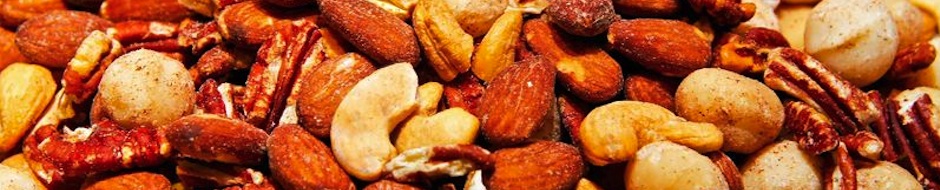
Nuts_Full_header

Posted on

Frozen Yogurt vs Soft-Serve Ice Cream

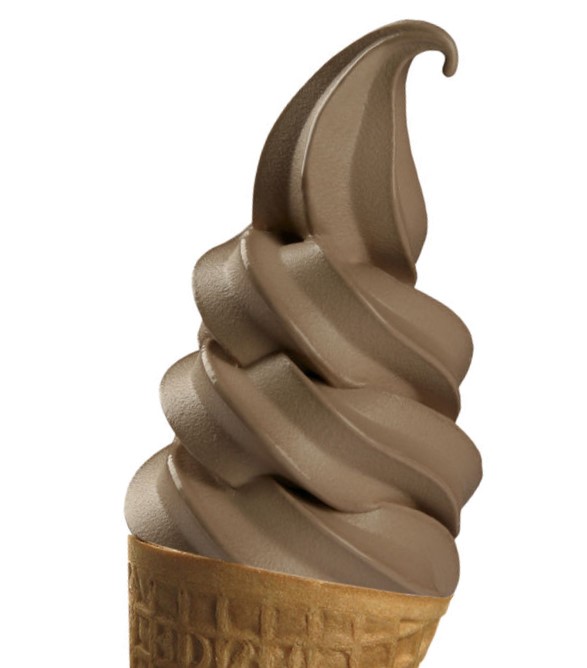
You might not realize that Nanci’s chocolate and vanilla bases are rich and creamy just like soft-serve ice cream. Texture depends on how much air you get in the product and the quality of the ingredients. We don’t sell a soft-serve ice cream because it is so similar in creaminess to our frozen yogurt but lacks the health benefits.  In fact, you could choose to serve Nanci’s and not call it frozen yogurt, some of our customers sell it as soft-serve and don’t even call it frozen yogurt at all.  It is up to you how you want to name it and market it.

The benefits of Frozen Yogurt vs Ice Cream are many:
Frozen Yogurt provides the same satisfaction and tasty treat as soft-serve ice cream with many additional benefits.
What you’ll get with an average ½ cup serving of Ice Cream:
-2x the calories (190)
-10x the Fat (11g)
-Cholesterol (not good for heart disease)
-Sucrose (not good for hunger spikes and diabetes)
-Sweet, Rich and Creamy
-No variations of sweetness or texture available

Here’s what you’ll get with an average ½ cup serving of Frozen Yogurt:
-Half the calories (90)
-Low-fat or no-fat (healthy non-animal fat)
-Probiotic enriched to support a healthy immune system
-No Cholesterol
-No Corn Syrup
-No Sucrose
-Sweet, Rich and Creamy
-Versatile in that it can also have other tastes and textures depending on what you like best.  For example, the Chocolate and Vanilla bases are just like soft-serve ice cream in sweetness and texture.  The Tart bases are uniquely different from ice cream.

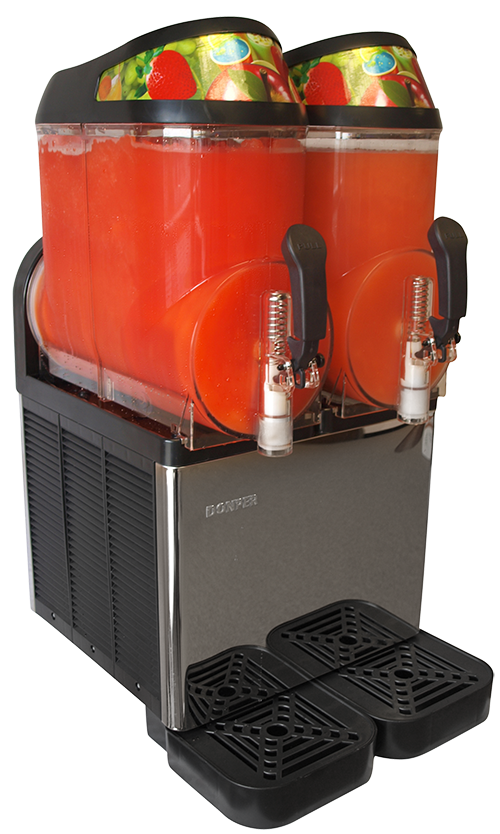
In addition, another base mix which is called FRUIT WHIP is a bold and refreshing fruit soft-serve like what is served at Disneyland.  And it has probiotics.  What is really cool is that if you add double the water in your recipe and use a frozen drink machine, the FRUIT WHIP turns into a self-serve smoothie.  See link to two machine options for self-serve smoothies made from just Fruit Whip base + flavor + water.


https://frocup.com/product/elmeco-frozen-beverage-smoothie-machine-call-for-best-price/
https://frocup.com/product/commercial-frozen-drink-machine-donper-xf124/

Posted on

Daily Opening Procedures

Every frozen yogurt operator asks how they can make fantastic and consistent frozen yogurt. They want their product to come out of the machine with the same creamy, smooth texture every day. The key to achieving this is doing two daily procedures every morning before opening.

Prime the MachineYogurtInCup

Priming the machine refreshes the product in the freezing cylinder and hopper. Here are the steps:

  1. With the machine on Standby (or Overnight) Mode, remove the air tube (carburetor tube) from the hopper.
  2. Stir the mix in the hopper with a small whisk.
  3. Dispense 1-2 quarts of liquid mix from the machine (by pulling the handle on the front).
  4. Pour the mix back into the hopper and stir with a whisk.

The machine is now primed and ready to have the air set.

Set the Air

With gravity machines, the mix is poured into a hopper on the top of the machine and gravity pulls the mix into the freezing cylinder. On a gravity machines you need to manually set the air, for a maximum of 35% air.

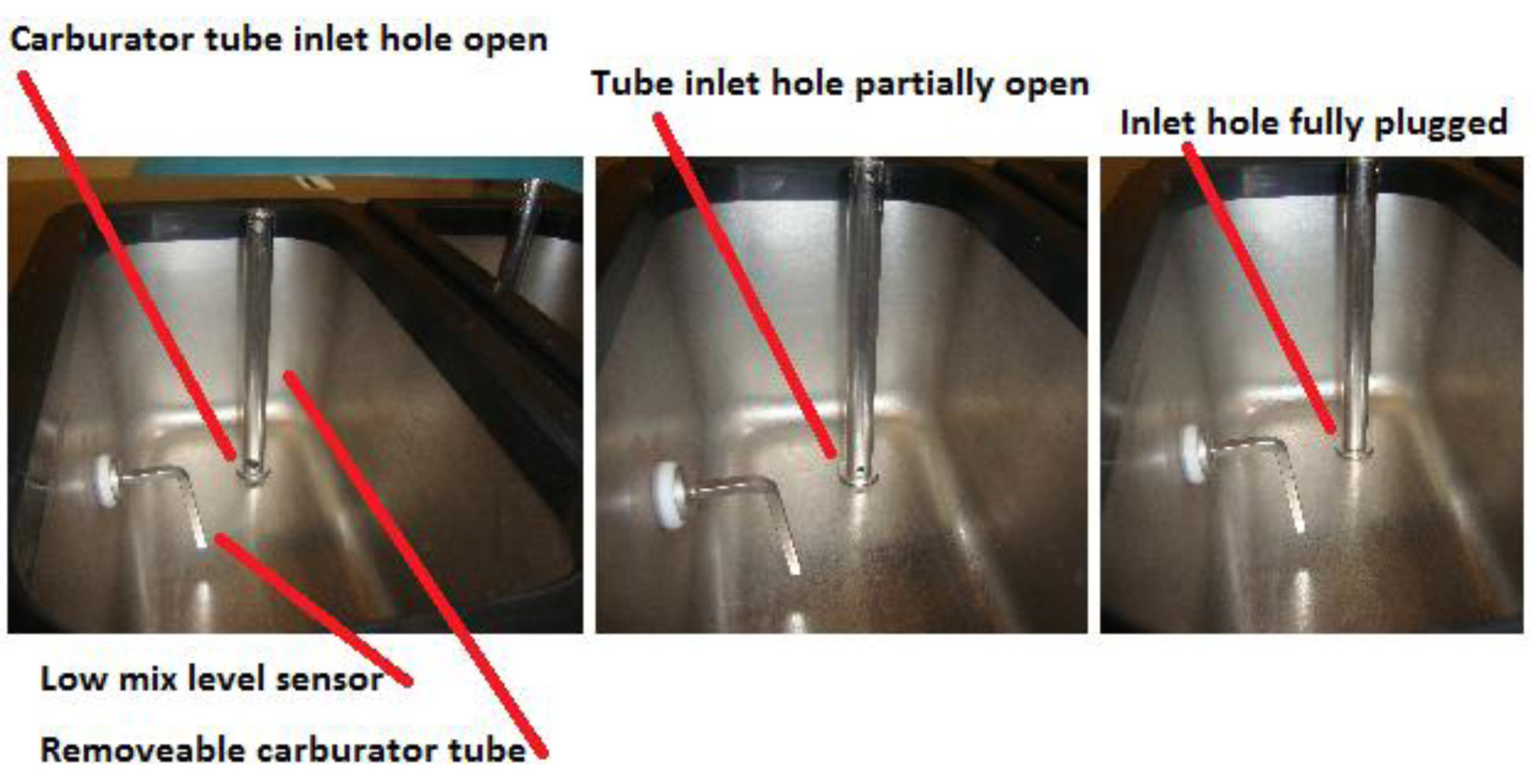
One very important piece on the machine is the carburetor tube or air tube. The air tube is a skinny tube – usually stainless steel – that you insert into the intake hole in the bottom of the hopper. Once inserted, the top of the tube sticks up out of the product allowing air to get down into the product. All air tubes have some way to shut off the product intake – either by flipping the tube over or by closing off the intake hole using a sleeve that fits around the tube.

Here are the steps to set the air:

  1. After you’ve primed the machine, insert the air tube with the feed hole at the top of the tube (sticking out of the mix) to stop the product from flowing into the freezing cylinder.
  2. Keeping the intake closed, dispense 8-10 ounces of frozen yogurt into a clean cup. This product can be put back into the hopper.
  3. Turn on the soft-serve machine and wait for it to freeze down and for the motor turn off.
  4. Once the motor turns off and the product is frozen, open the air intake either by flipping the air tube around so the feed hole is now at the bottom (submerged in the mix) or sliding the sleeve on the tube (depending on your style of air tube).
  5. The overrun is now set and the product should come out smooth and creamy. As long as you leave the air tube in place it will stay this way. You can repeat this process as needed.
Another important factor in dispensing a great product is the temperature of the frozen yogurt coming out of the machine. Nanci’s regular mixes are best served at 17 degrees F, and the stevia and non-dairy mixes are best served at 24-25 degrees F.
Posted on

The Secret Ingredient for Amazing Frozen Yogurt

Close your office door and make sure no one is listening because I’m about to share with you the secret to making amazing frozen yogurt…ready…here it is…AIR. That’s right – one of the key components of smooth and creamy frozen yogurt is to have air or overrun in the product. If the product comes out icy and dense that means there isn’t enough air in the mix. This is especially important with natural frozen yogurt mixes.
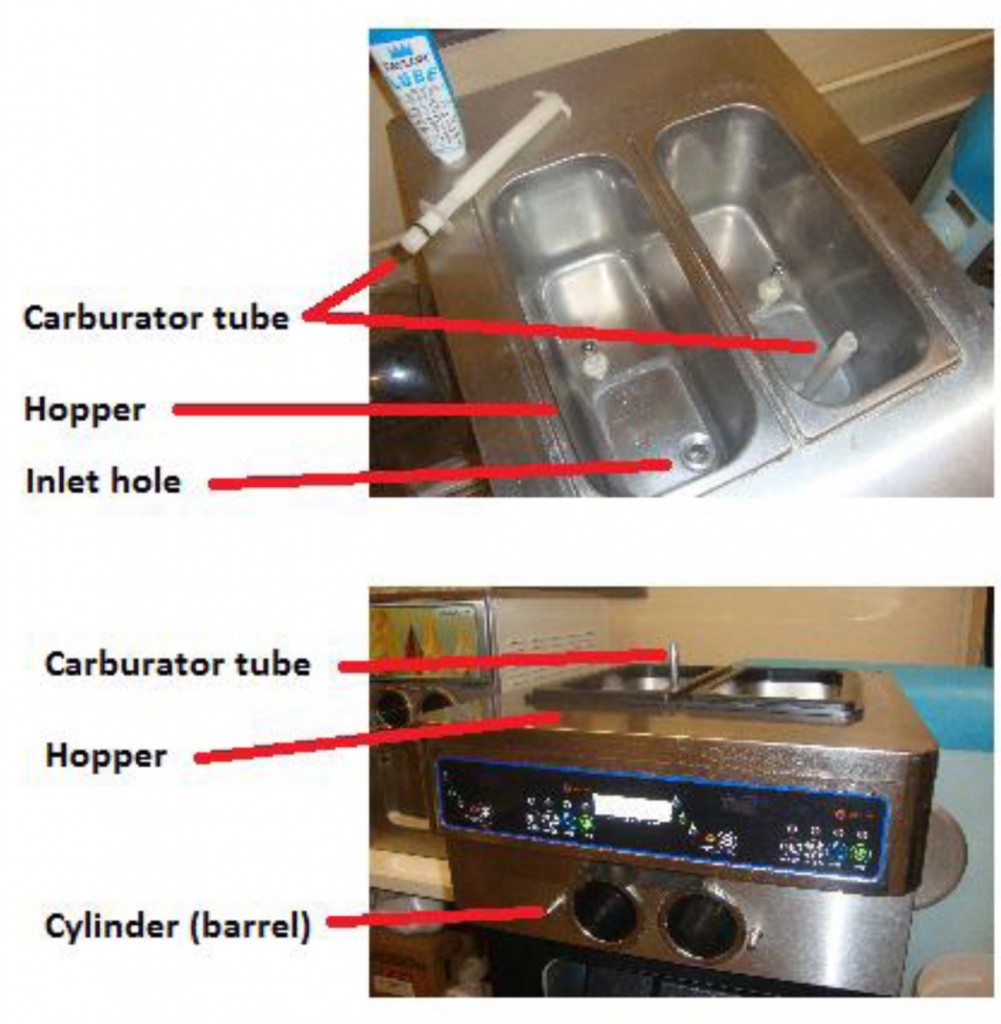
All frozen yogurt machines have a hopper and freezing cylinder. The hopper is where you pour the mix, and the freezing cylinder is the horizontal empty cylinder behind the handles where the mix is frozen and the air is whipped into it. Inside the freezing cylinder there should be at least 30-40% air. This gives room for the product to expand and create a nice, creamy consistency.

Getting air into the product will depend on the type of soft-serve machine you have. Here is a quick breakdown. For more detailed instructions and help contact us at 1-800-788-0808 or info@nancis.com. You can also visit our Training Page for a howto video on adding air into the product.

Pressurized or Pump Soft-Serve Machine

These machines pump the product into the freezing cylinder with the exact amount of air you want – up to 100% air. Pump machines allow for you to set the precise amount of air. Consult the operators manual for your machine to find out how to adjust these settings.

Gravity Soft-Serve Machines

With gravity machines, the mix is poured into a hopper on the top of the machine and gravity pulls the mix into the freezing cylinder. On a gravity machines you need to manually set the air, for a maximum of 45% air.

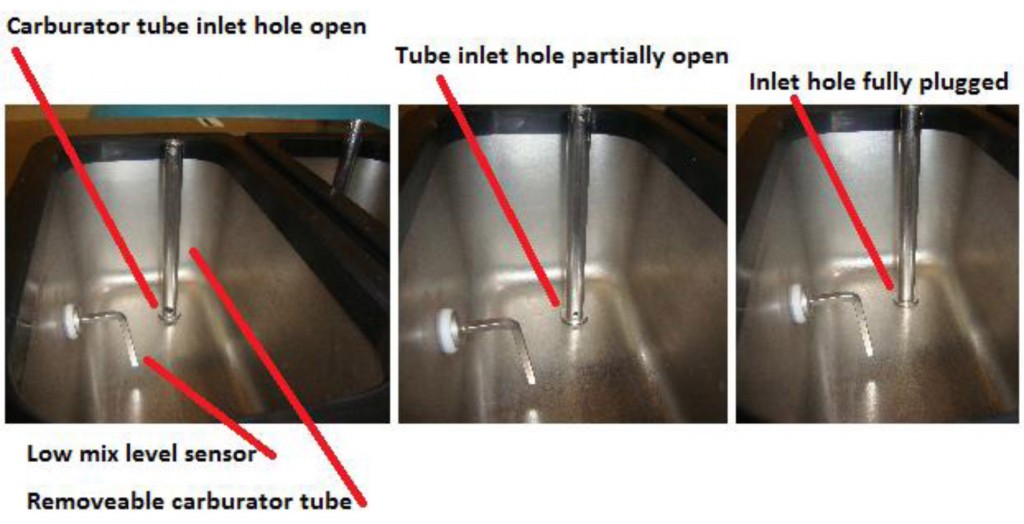
One very important piece on the machine is the carburetor tube or air tube. The carburetor tube is a skinny tube – usually stainless steel – that you insert into the intake hole in the bottom of the hopper. Once inserted, the top of the tube sticks up out of the product allowing air to get down into the product. All carburetor tubes have some way to shut off the product intake – either by flipping the tube over or by closing off the intake hole using a sleeve that fits around the tube.

Here are the 6 steps:

  1. Pour the frozen yogurt mix into the hopper without the carburetor tube and wait for the bubbling from the intake hole to stop. The freezing cylinder is now full.
  2. Insert the carburetor tube to stop the product from flowing into the freezing cylinder.
  3. Turn on the soft-serve machine and wait for it to freeze down and shut off.
  4. Keeping the intake closed, dispense 8-10 ounces of frozen yogurt into a clean cup. This product can be put back into the hopper.
  5. Wait for the machine to cycle off then open the air intake either by flipping the tube around or sliding the sleeve on the tube.
  6. The overrun is now set and the product should come out smooth and creamy. As long as you leave the air tube in place it will stay this way.
Another important factor in dispensing a great product is the temperature on the frozen yogurt coming out of the machine. Nanci’s mixes are best served at 17 degrees F.

If you have any questions, please contact us.
 

Posted on

Spring Frozen Yogurt Flavor Recommendations

Spring has sprung! Shifting your flavors to match the season can help increase sales. Check out our Spring flavor recommendations below and feel free to be creative with flavor names.

APRICOT
APRICOT MANGO
BLACK CHERRY
BLACKBERRY
BLUEBERRY
BLUEBERRY POMEGRANATE
BOYSENBERRY
COTTON CANDY
GEORGIA PEACH
HAWAIIAN PINEAPPLE
HONEYDEW MELON
KEY LIME
KIWI
KIWI COLADA
LEMON MIST
LEMON-LIME
MANGO
MANGO STRAWBERRY
PASSION FRUIT
PINK GUAVA
STRAWBERRY COLADA
STRAWBERRY KIWI
STRAWBERRY LEMONADE
WATERMELON
WILD BERRY

Posted on

Frozen Yogurt Training Videos

We’re excited to introduce three new training videos available on our website. We’ve kept them short and sweet, but packed with useful demonstrations.

The videos include:

  • How to Prepare Nanci’s Mix
  • How to Add Air into Mix
  • Soft-Serve Machine Overview

You can view the videos at www.nancis.com/training

Here’s our new Intro to Nanci’s video as a teaser…