Posted on

Comparing frozen yogurt nutrition facts

Nutrition facts can be very confusing, especially in the world of frozen yogurt where you deal with both weight and volume. Because frozen yogurt contains air, the weight and volume are not the same.

Unfortunately, some companies have used this to promote misguided nutrition facts.

Check out this story in a New Orleans newspaper that uncovers some of this misinformation: http://www.nola.com/health/index.ssf/2012/08/5_ways_to_avoid_potentially_hi.html

When evaluating nutrition facts for frozen yogurt make sure to look at the grams in the serving size – not just the ounces. Most companies use about 80-90 grams as their serving size.

Feel free to contact us at Nanci’s if you want to further discuss any of our Health Benefits and nutrition information.

Posted on

Two Magic Numbers for Frozen Yogurt

The correct temperature setting on your soft-serve machine is critical for making a good frozen yogurt product and for extending the life of your mix. Every frozen yogurt shop owner should have a good food thermometer like this one: https://frocup.com/product/digital-thermometer/

Use a thermometer to check the temperature in the hopper (the reservoir where you pour the mix) and the temperature of the product when you dispense it from the machine.

Magic Number #1

Hopper Temperature = around 35 degrees F (between 34 to 39 degrees)

The hopper temperature is critical for keeping the product fresh The temperature in the hopper should be under 40 degrees F. Any warmer and the product can go bad. It should also be warmer than 32 degrees or else the product in the hopper will freeze. If you see the product freezing in the hopper, just raise the temperature a degree or two.

Magic Number #2

Finished Product Temperature = 17-19 degrees F

The temperature of the product when it is dispensed should be between 17-19 degrees F. This would also be the temperature of the freezing cylinder. Because Nanci’s Frozen Yogurt use pure fruit sugar, the temperature for our mixes needs to be a little lower than for cane sugar mixes. A sugar mix might come out stiff at 22 degrees, but Nanci’s mixes are better at around 18 degrees. This can easily be adjusted on your machine – just consult your manual or contact the manufacturer if you need help.

If your product ever comes out wet, soupy, or melted then you need to lower the temperature. Frozen yogurt should come out stiff, creamy, and frozen (not wet). It’s amazing what a difference a couple of degrees makes.

Posted on

The Rise of FroYo and the Decline of Ice Cream

Check out this video and article on Yahoo! Finance about the decline of ice cream and the rise of frozen yogurt.

http://finance.yahoo.com/blogs/daily-ticker/decline-american-treat-140930869.html

Here are a few highlights:

  • The number of frozen yogurt shops increased by 24% between 2011 to 2012, while the number of ice cream shops declined.
  • Ice cream sales are on track to hit their lowest levels since the mid 1990s.
  • Consumers are leaving ice cream because of health reasons and because it hasn’t kept up with the more innovate and fun vibe of frozen yogurt.


Posted on

How to Get the Most out of Your Machines

Frozen yogurt machines have two main jobs: 1) freeze the frozen yogurt mix, and 2) whip air into the mix. There are a few settings and components you should be familiar with on your machine to get the best performance and to make the best frozen yogurt.

Air

Air is the secret ingredient to making frozen yogurt come out smooth and creamy. If your product is coming our icy, dense, and dark in color then it doesn’t have enough air in it. Look at our blog article or our instructional video on how to get set the air.

Temperature

If your frozen yogurt comes out wet or soft, it’s because the temperature settings on your machine are not cold enough. Frozen yogurt should come out firm and stiff with no visible “wetness”. A good test of the right consistency is if you can make a curl at the peak of the yogurt swirl. If the machine is too cold the product in the hopper can freeze and the product in the freezing cylinder won’t come out (which can damage your machine).

The ideal temperature for the hopper is 36-40 degrees Fahrenheit or 2-4 degrees Celsius and the ideal temperature for the frozen yogurt as it is dispensed is 16-17 degrees Fahrenheit or about negative 8 degrees Celsius.

Parts

One of the main causes for icy frozen yogurt is worn out scraper blades. Although each frozen yogurt machine is slightly different, they all have a beater that scrapes the inside of the freezing cylinder. This makes sure no frozen ice particles build up on the edges. If the scraper blades are worn down they can’t adequately scrape the inside of the freezing barrel, making the frozen yogurt icier than it should be. The scraper blades on most machines can be pretty easily replaced and they should be switched out every month or so depending on the usage of your machine. O-rings are another part that wears out and should be replaced according the machine manufactures recommendations.

Posted on

Marketing tip: don’t post fake online reviews

Check out this article about a sting conducted by the New York Attorney Generals office. They set up a fake frozen yogurt shop in Brooklyn, NY and solicited help from firms that promise to boost online visibility.They caught 19 companies assessed $350,000 in penalties.

Here’s the article: http://in.reuters.com/article/2013/09/23/net-us-fake-reviewers-snared-in-ny-attor-idINBRE98M0Z020130923

Online reviews are very helpful to your business, but the costs of posting fake reviews far outweigh the benefits. Even if you never get caught, fake reviews are dishonest and they misrepresent your company. It’s just not good business!

But it is recommended to monitor popular review sights so you can respond to customers that post negative reviews. You can often turn a negative situation into a positive one, by responding to negative comments appropriately.

Here are a couple of good articles about dealing with negative reviews:

Here are some of the top review sites you should be familiar with:

  • Yelp
  • Google Local
  • CitySearch.com
  • UrbanSpoon
Posted on

Lactose Intolerance

Did you know that 30 million Americans are lactose intolerant. As an owner, operator or employee of a frozen yogurt store it is important for you to understand what that means and how you can provide products for people with lactose intolerance.

What is Lactose?

Lactose is a milk sugar found in many dairy products.

What is Lactose Intolerance?

A deficiency in the body of a natural enzyme called lactase, which can cause symptoms of gas, bloating and diarrhea when foods with lactose are eaten. Lactase is needed to fully digest lactose, a sugar found mainly in dairy products. Lactose intolerance can cause severe discomfort, but is not life threatening.

How is Lactose Intolerance different from Milk Allergies?

A milk allergy is when the immune system overacts to a protein in milk and attacks dairy like it is a harmful invader. It is most common in infants and young children. Symptoms can range from hives to anaphylactic shock. A severe allergic reaction can be life threatening and is very different from lactose intolerance.

Is lactose intolerance very common?

Yes. About 65% of people worldwide have some degree of lactose intolerance. Here is a breakdown for a few geographic regions/ethnicities:

  • Asia: 80%
  • Africa: 70-90%
  • Southern India: 70%
  • Northern India: 30%
  • France: 17-65%
  • Germany: 15%
  • England: 5-15%

How do you treat lactose intolerance?

Many people can handle a small amount of dairy and be fine – like 8-12 ounces of milk. For those that experience the symptoms listed above, the immediate solution is to reduce the amount of lactose in the diet. There is not currently a cure. But there are commercially available enzyme substitutes. There are also many products available that don’t contain dairy or lactose, like Nanci’s new non-dairy soft serve mixes.

Nanci’s Non-Dairy Soft Serve

Nanci’s offers a line of non-dairy soft serve mixes that include:

  • Fruit Freezer Sorbet – a neutral base that can use most of Nanci’s flavor concentrates. The sorbet mix is colder and icier than regular soft serve.
  • Fruit Whip – a neutral base that can use most of Nanci’s fruit flavor concentrates. This base mix is part creamy and part icy, it has a bolder taste than the Fruit Freezer Sorbet.
  • Non-Dairy Vanilla Soft Serve – a creamy, vanilla/neutral base. Most of Nanci’s flavors can be added to this base.
  • Non-Dairy Vegan Chocolate Soft Serve – can be served without flavoring for a rich chocolate or can be used with many of the Nanci’s flavorings. This base contains no animal products and so it is a vegan mix.

Nanci’s non-dairy mixes contain PowerPro Active Cultures that provide all the health benefits of regular yogurt but without the dairy.

Sources:

http://digestive.niddk.nih.gov/ddiseases/pubs/lactoseintolerance/; http://milk.procon.org/view.resource.php?resourceID=000661; http://usatoday30.usatoday.com/tech/science/2009-08-30-lactose-intolerance_N.htm; http://www.mayoclinic.com/health/lactose-intolerance/DS00530; http://inhealth.cnn.com/digestive-health-center/10-things-to-know-about-lactose-intolerance/

Posted on

Frozen Yogurt Toppings

Toppings are a critical part of frozen yogurt shop operations. They play a big role in customer satisfaction, but if not managed closely you an actually lose money on your toppings. You should try to be below 30 cents per ounce on your average toppings cost. If you can get down towards 23-25 cents per ounce you are doing great.

Be careful of expensive toppings that are very light, like whipped cream. Here are a couple of tricks to manage the more expensive toppings.:

  1. Put the most expensive toppings the farthest away from the last soft-serve machine so customers fill their cup on the less expensive toppings.
  2. Put the most expensive toppings at the back of the toppings bar so they are a little harder to reach.
  3. Use smaller serving spoons for the more expensive toppings.

Also, with fresh toppings, such as fruits, you should rotate the toppings to ensure that you always have fresh product in the toppings bar.

Here are suggested list of toppings. You can find recommendations for toppings supplies on our Equipment & Supplies page.

Dry Toppings

  • almonds
  • butterfinger
  • cap’n crunch
  • carob chips
  • cocoa pebbles
  • coconut flakes
  • fruity pebbles
  • graham cracker crumbs
  • gummi bears
  • heath toffee
  • jelly bellies
  • kit kat
  • m&m’s
  • peanut m&m’s
  • mini caramel cups
  • chocolate chips
  • mini peanut butter cups
  • nestlé crunch
  • non-fat granola
  • old fashioned granola
  • oreo cookies
  • peanuts
  • pecans
  • peanut butter chips
  • reese’s peanut butter cups
  • snow caps
  • chocolate sprinkles
  • rainbow sprinkles
  • thin mint cookies
  • twix
  • walnuts
  • yogurt chips

Fresh Toppings

  • strawberries
  • raspberries
  • blackberries
  • blueberries
  • peaches
  • mangos
  • kiwi
  • pineapple
  • bananas
  • cinnamon apples
  • mochi
  • cookie dough
  • fudge brownies
  • fat-free brownies
  • cheesecake bits

Hot Toppings

  • hot fudge
  • caramel sauce
  • non fat / no sugar-added fudge

Nuts_Full_header

Posted on

Frozen Yogurt Recipe Ideas

We have some great flavor recipes/combinations that will keep your customers coming back time and time again. We all have our “go to” best selling flavors that we don’t want to change, but you never know when a bold and unique new flavor idea could become your signature product. The beauty of Nanci’s mixes is you can keep it very easy and simple or you can make artisan products with your own creativity.

The key to these recipes is the using the “Blender Method” described below.

Blender Method

  1. Prepare the base mix as normal in a large bucket.FOOD PEANUTBUTTER 2 KC
  2. Fill a blender half way with prepared base mix.
  3. Add the extra additive (fresh peanut butter, Nutella or fruit) into the blender and blend throughly. There shouldn’t be any large particles.
  4. Stir the concentrated base mix from the blender back into the rest of the base mix in the bucket.
  5. Take a quick taste to make sure its the right strength and then pour into your soft-serve machine.

Recipe suggestions:


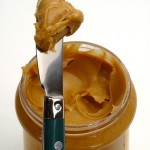
Peanut Butter using REAL peanut butter and Nanci’s peanut butter flavor concentrate

  • Use Nanci’s vanilla base mix.
  • Add 5 oz of Nanci’s Peanut Butter flavoring and 1/4 to 1/2 cup of real peanut butter using the Blender Method.Nutella

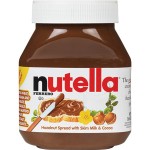
Nutella

  • Use Nanci’s vanilla base mix.
  • Add one large container (26.5 oz) of Nutella using the Blender Method.
  • You can also make Peanut Butter Nutella by adding 1/4 cup of peanut butter with the Nutella.

Fresh fruit

  • Use Nanci’s plain tart base, premium tart base, or vanilla base mix.
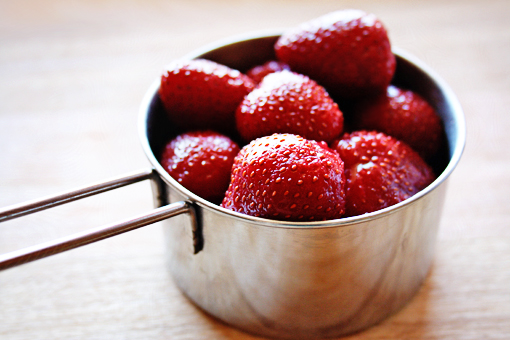
  • Add about 1 1/2 cups of fresh fruit using the Blender Method.
  • Be sure to blend throughly to avoid any large particles. You may want to strain the mix for seeds.

Peanut Butter Cupstrawberies

  • Use Nanci’s vanilla base mix.
  • Add 1/4 to 1/2 cup of Hershey’s Chocolate Syrup and 1/4 to 1/2 cup of real peanut butter using the Blender Method.

With all these recipes, stir the hopper regularly. After serving the flavor, be sure to clean the machines throughly to remove any seeds or particles.

New flavor combination ideas:

– Peanut Butter & Jelly (combine 1/2 peanut butter flavoring and 1/2 strawberry or raspberry flavoring)
– Snickers (combine salted caramel and peanut butter in either the vanilla or chocolate base)
– Coconut Taro (combine 2/3 taro and 1/3 coconut)

Try it for yourself and let us know how it goes!

Posted on

Are soft drinks and sugar as bad as cigarettes?

A recent study from he American Journal of Public Health has found that soft drinks and smoking cigarettes both speed up your body’s aging process. Drinking a 20 oz soda per day can lead to 4.6 years of additional aging, which is the same effect as smoking cigarettes.

The culprit in the soft drinks is the huge amounts of sugar. A 20 oz soda would have about 43 grams of sugar, which is about 3 Tablespoons.

Nanci’s Frozen Yogurt uses superior sweeteners, such as fruit sugar and stevia. Stevia is a natural sweetener that comes from a tropical leaf. It has no caloric impact and has a glycemic index rating of zero. Fruit sugar (pure fructose) does not require the same amount of insulin as table sugar and does not spike blood sugar levels like sugar.

Click here for a news article about the report.

Posted on

Importance of Cleaning and Sanitization of Frozen Yogurt Machines

Cleaning your frozen yogurt machines properly can help produce better tasting product and prevent any issues of harmful bacteria. Most manufacturers recommend that you clean and sanitize your machine at least once every three days, but some municipalities may require you to clean the machine every day. Check with your local health department for your local regulations. Dairy products can breed many kinds of harmful bacteria, so it’s important to stay on top of your cleaning and sanitization schedule.

The first thing to do before any cleaning is to look in the owner’s manual for the proper procedure. Many machines will come with a special brush kit to get product out of every part of it. The manual will tell you where to use them. The manual will also tell you what types of sanitizer are and aren’t okay for your machine, and which parts you should inspect every cleaning for possible replacement.

Most frozen yogurt machines follow these procedures. First, drain the machine of product. Depending on the age of the product you could put it into a freezer and reuse it. Next, get access to the hoppers and pour in water. Turn on the cleaning cycle and let it run for the recommended time. Drain the water and use your brushes to any speck of product out. Repeat the rinsing and brushing until it looks clean, then remove the scrapers and any other recommended parts. Clean these thoroughly, and check the hopper again for any missed product.

Once your parts are clean, it’s time to sanitize them. Make sanitizer according to the package directions, then soak any parts you removed for the recommended time. Make another batch to put into the hopper and use it according to your owner’s manual. Once you’re done soaking, rinse out the hopper and the parts, replace them, and then put your product back into the hopper and turn the machine on as normal.

In about 20 minutes, you should be ready to go again with fresh frozen yogurt in a clean and safe machine. Not only that, but your frozen yogurt will taste much better too. The first batch out of a clean machine is the best! Try it yourself and see.

About the Author

Emily is the customer information “champion” at Spaceman USA – a friendly manufacturer of soft serve and frozen yogurt machines. With technical knowledge of the machines and understanding of soft serve business, Emily writes in various topics – from business management to delivering the best food quality to customers.